NOSTOS ALGOS


Nostalgia is a strange thing to feel good about. It arrives as comfort and leaves as sadness, because the whole point of it is that the place it points to is gone. A song, a smell, a photograph, any of them can put you back somewhere for a second, and then hand you the fact that a second is all you get.
Nostalgia is a strange thing to feel good about. It arrives as comfort and leaves as sadness, because the whole point of it is that the place it points to is gone. A song, a smell, a photograph, any of them can put you back somewhere for a second, and then hand you the fact that a second is all you get.


Nostos Algos is a personal project about that feeling. It began as research into what nostalgia actually is, and the research turned up something more useful than expected: nostalgia is not one feeling but several sitting on top of each other. Memory, happiness, past, experience, melancholy, longing. Alone each one means something ordinary. Together they come close to explaining the thing.
Nostos Algos is a personal project about that feeling. It began as research into what nostalgia actually is, and the research turned up something more useful than expected: nostalgia is not one feeling but several sitting on top of each other. Memory, happiness, past, experience, melancholy, longing. Alone each one means something ordinary. Together they come close to explaining the thing.


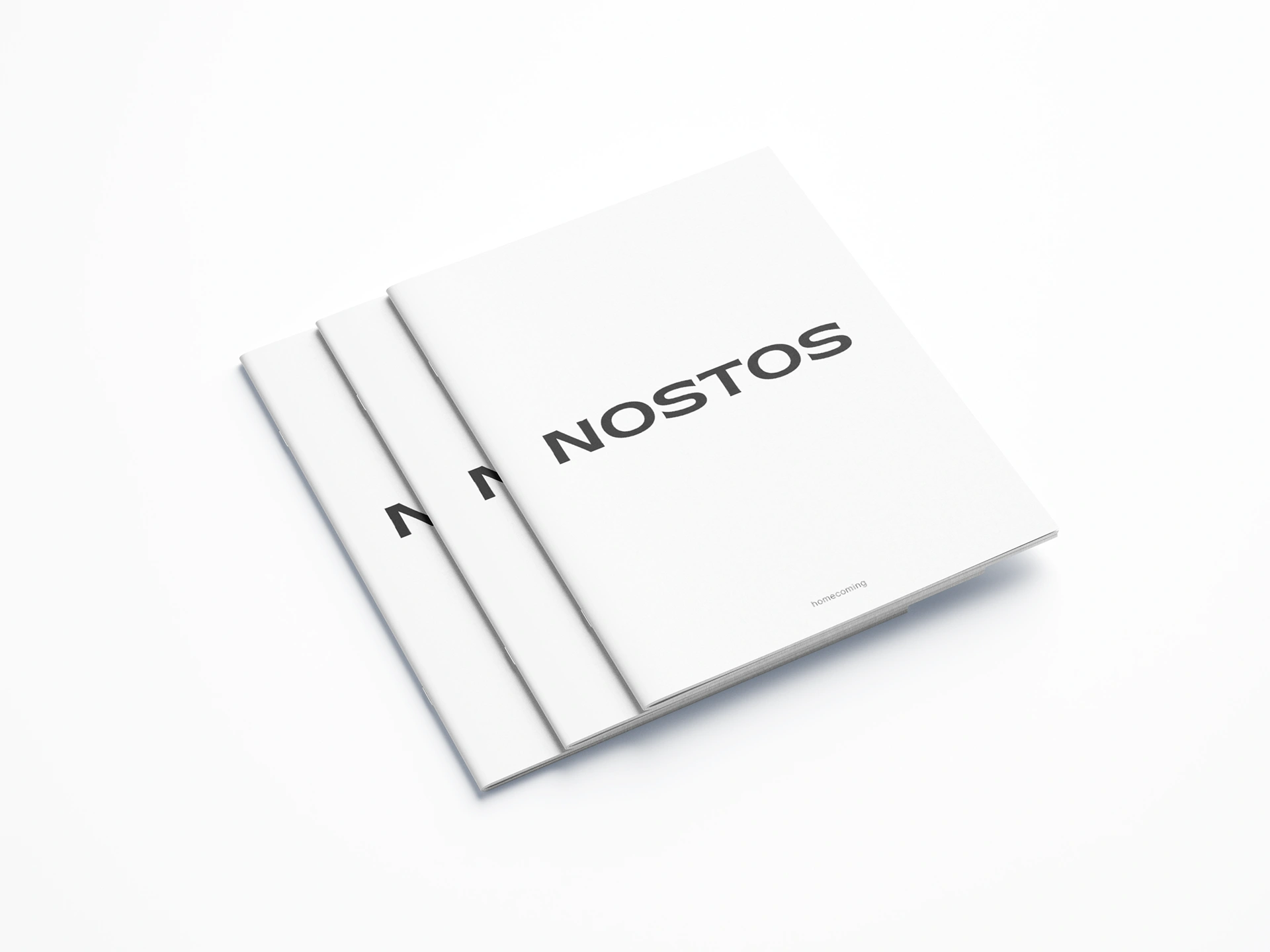
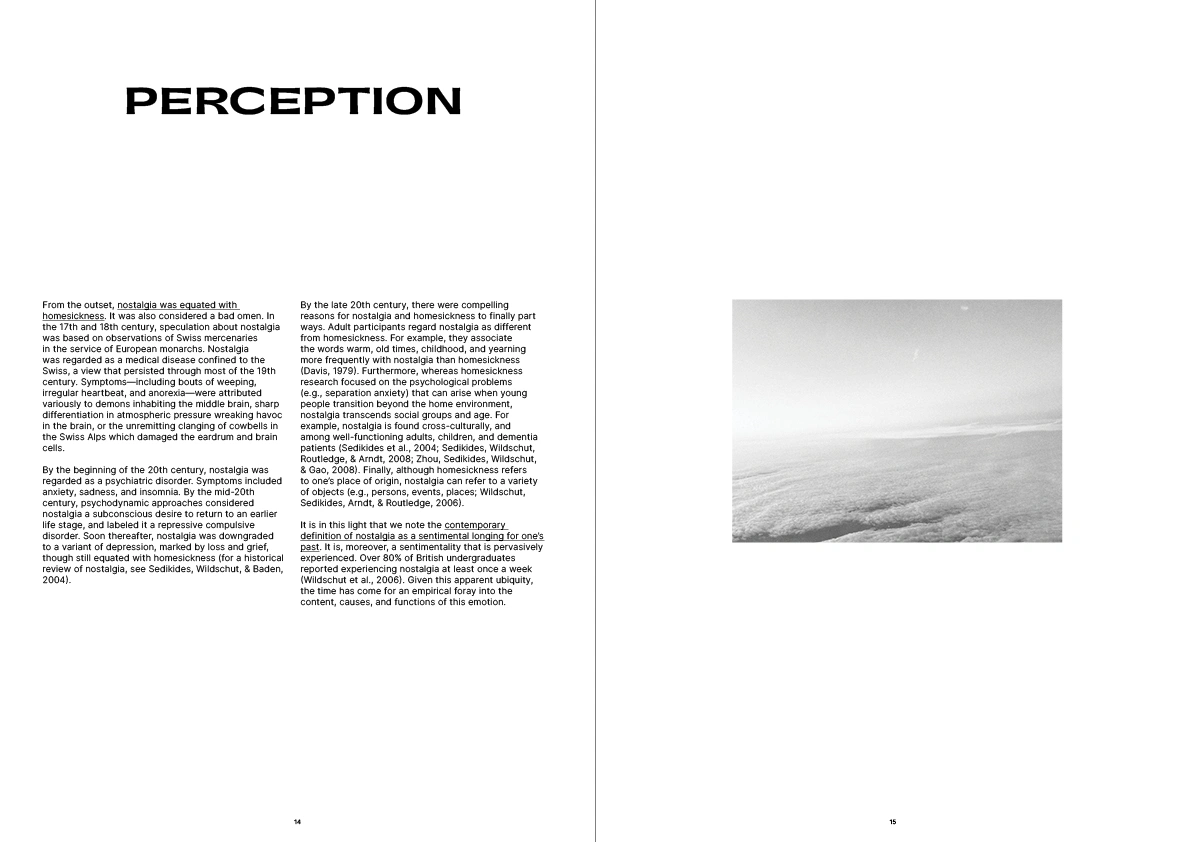
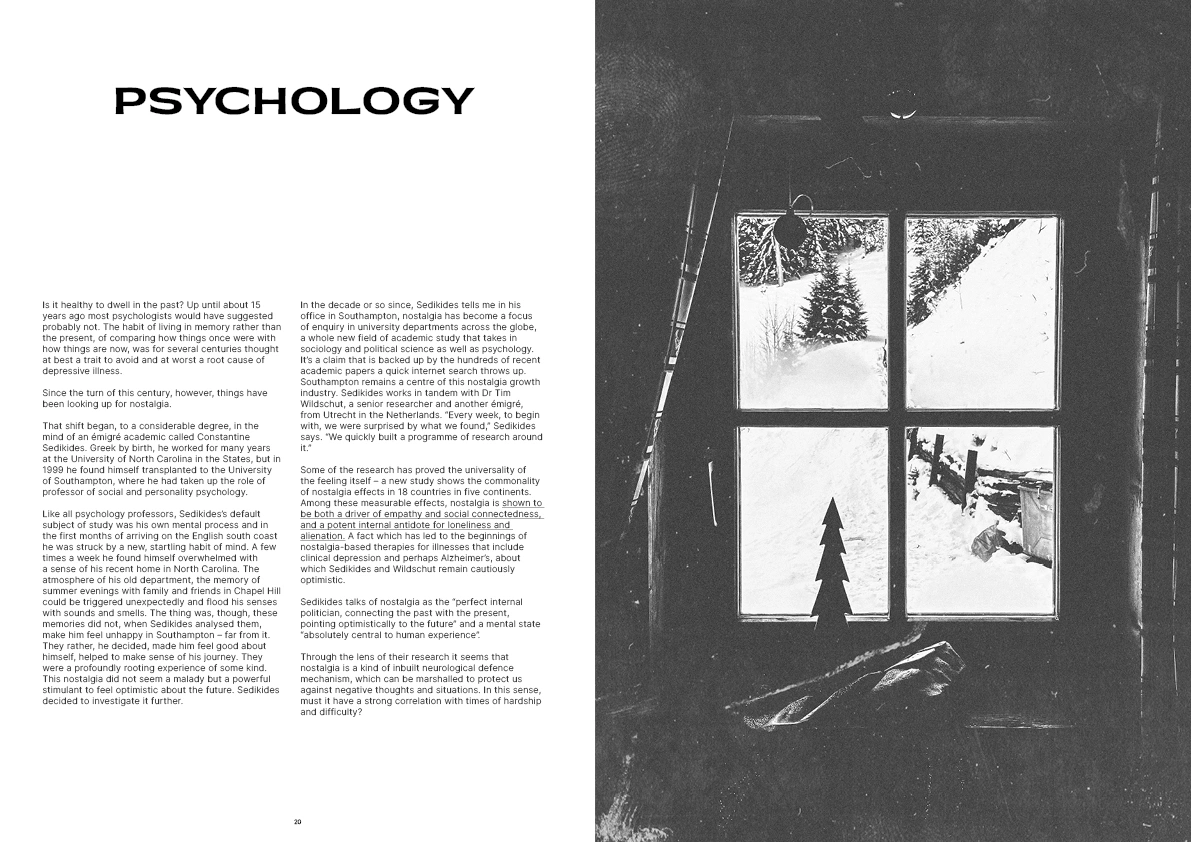
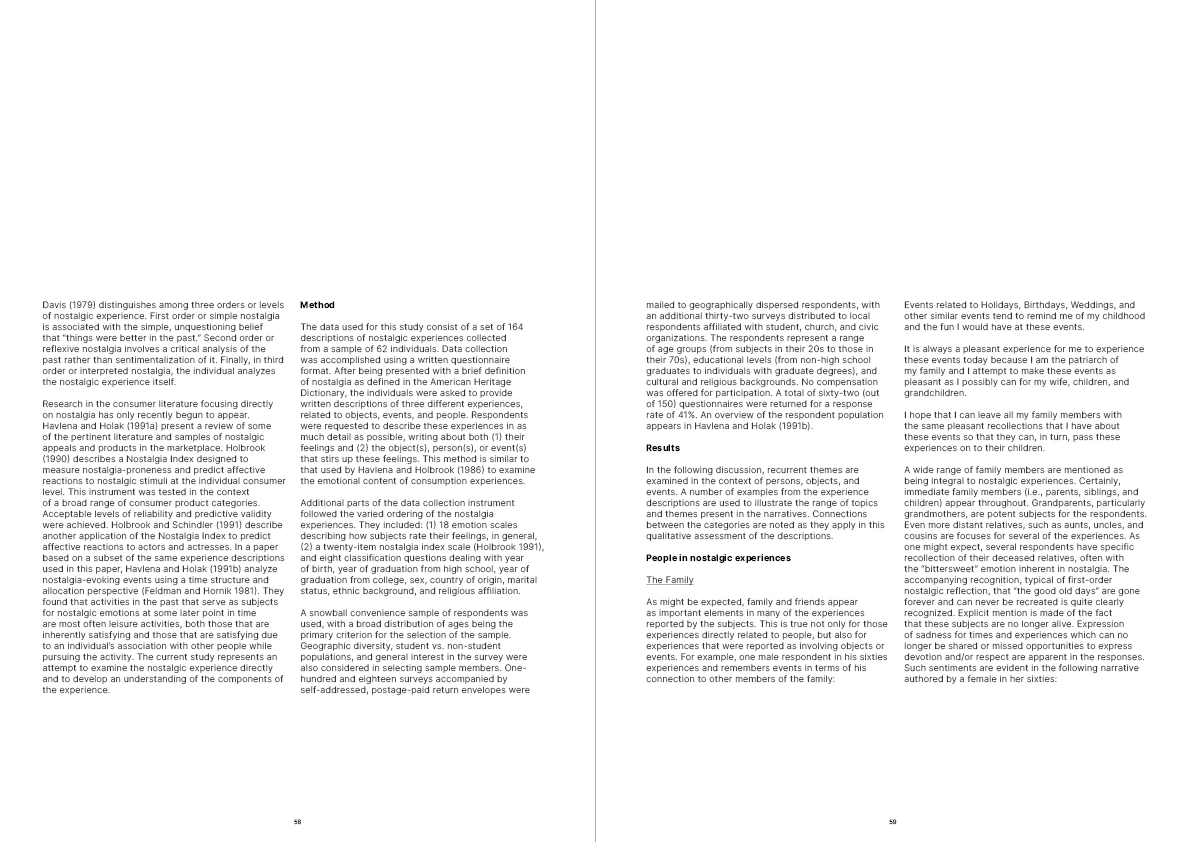
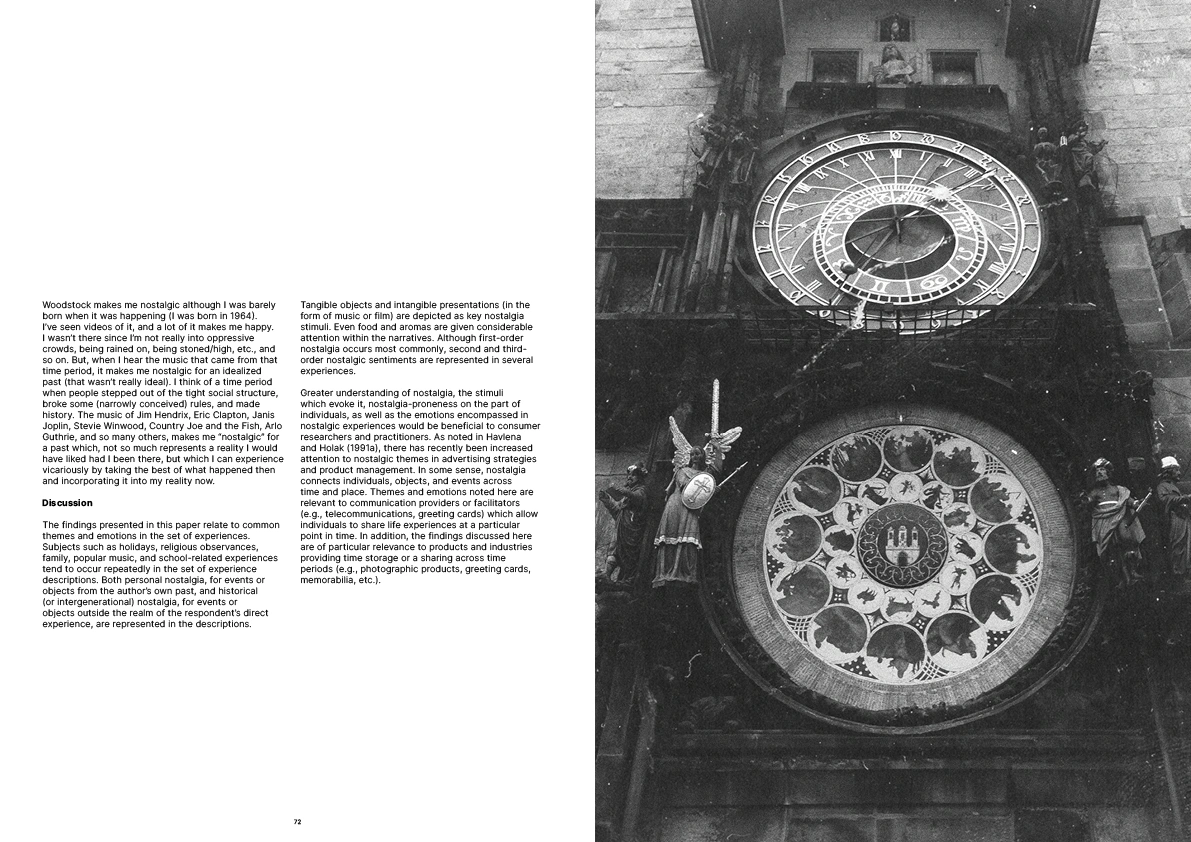
Researching a feeling like this from the outside was never going to work, because nostalgia only exists in the first person. So the research went inward, into a personal archive, and every photograph in the development book was taken by the person making it. The book documents the research and doubles as the material the rest of the project is built from.
Researching a feeling like this from the outside was never going to work, because nostalgia only exists in the first person. So the research went inward, into a personal archive, and every photograph in the development book was taken by the person making it. The book documents the research and doubles as the material the rest of the project is built from.






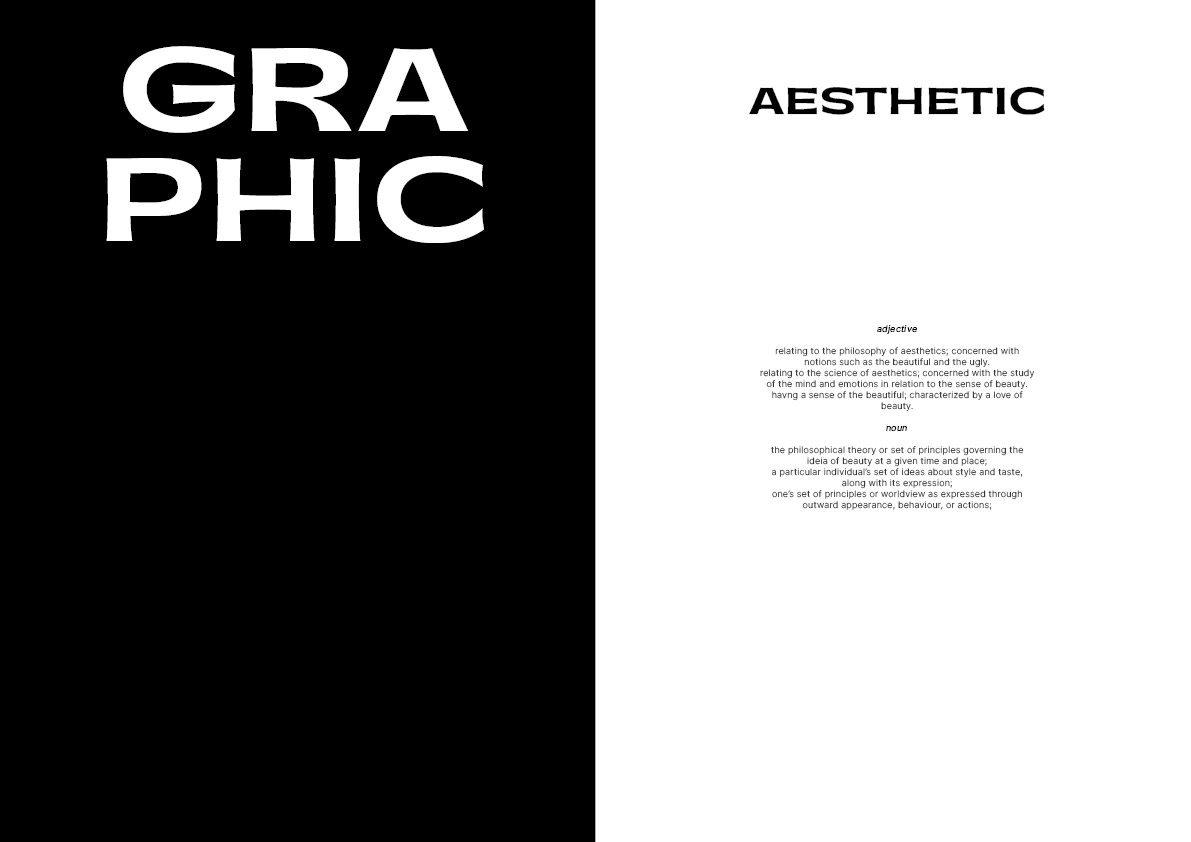


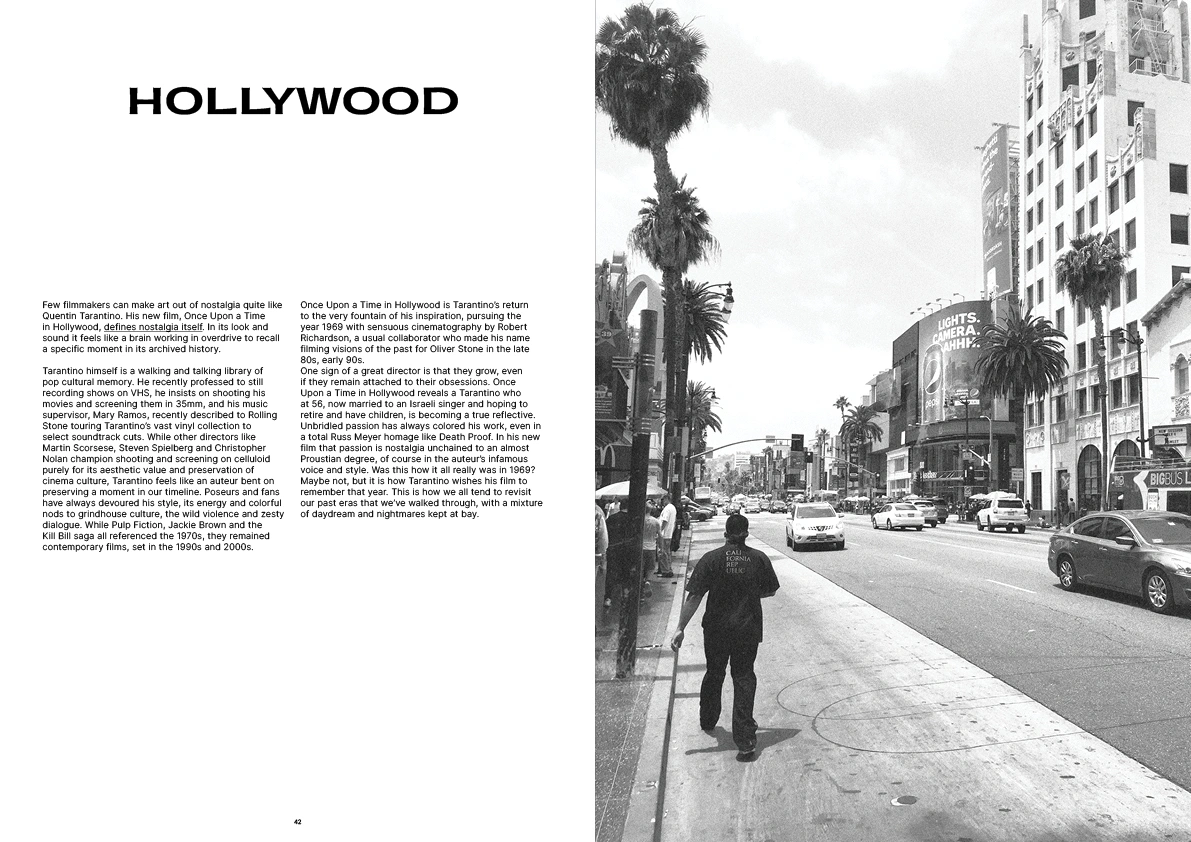


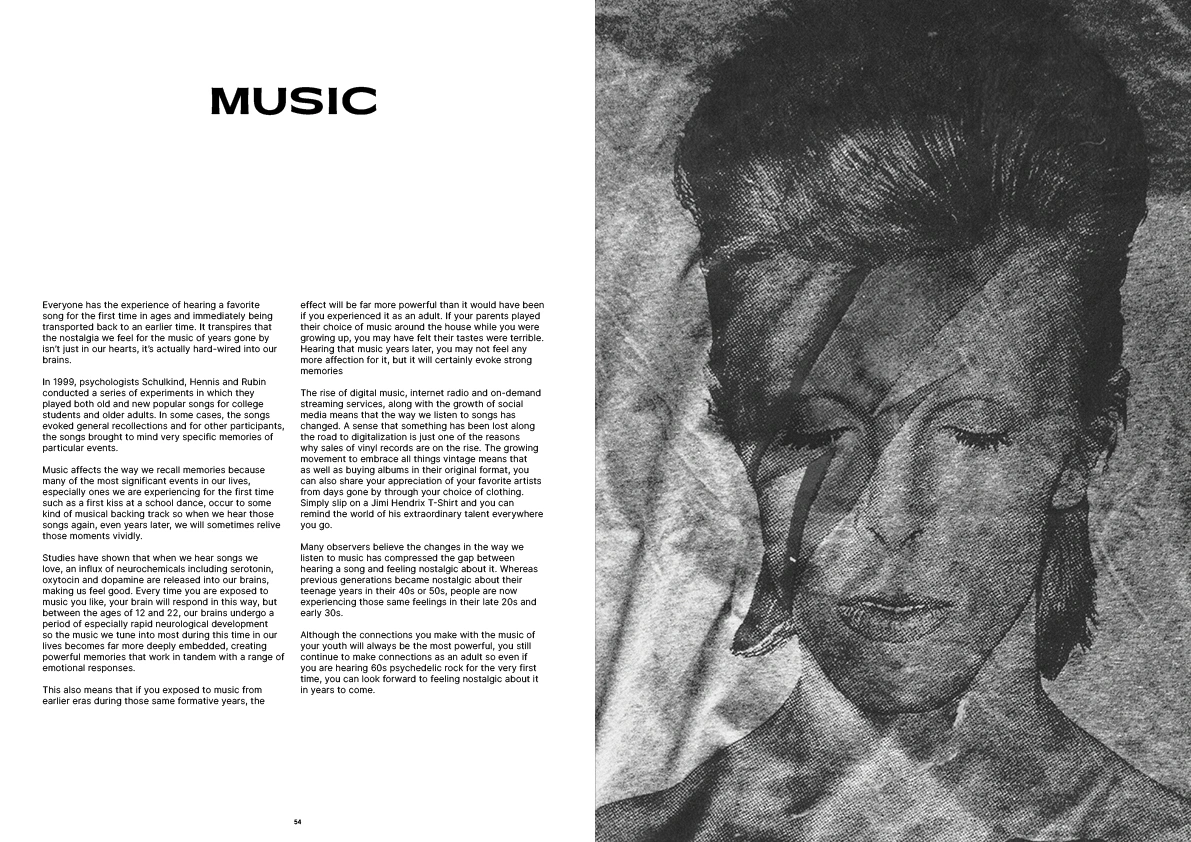





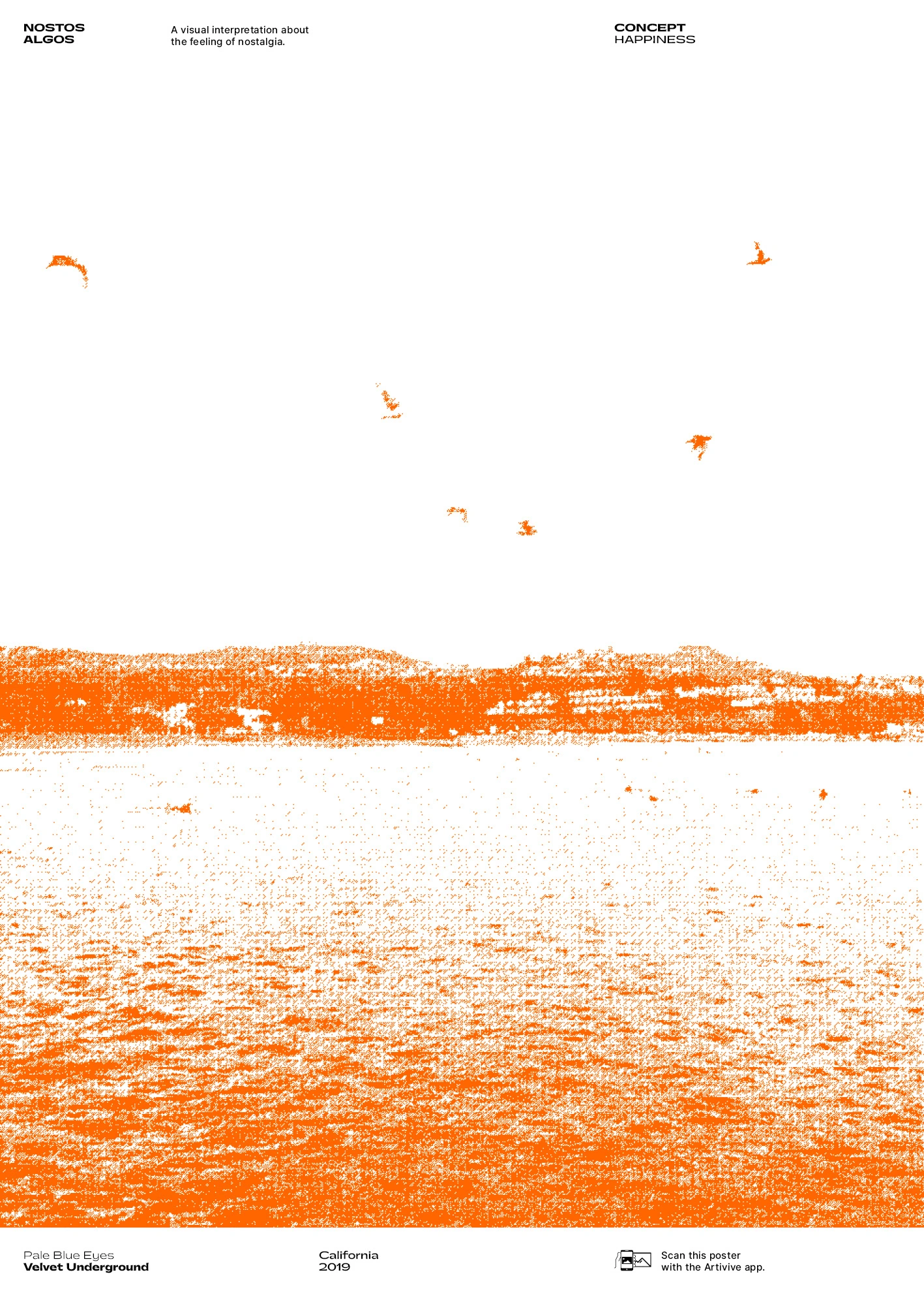
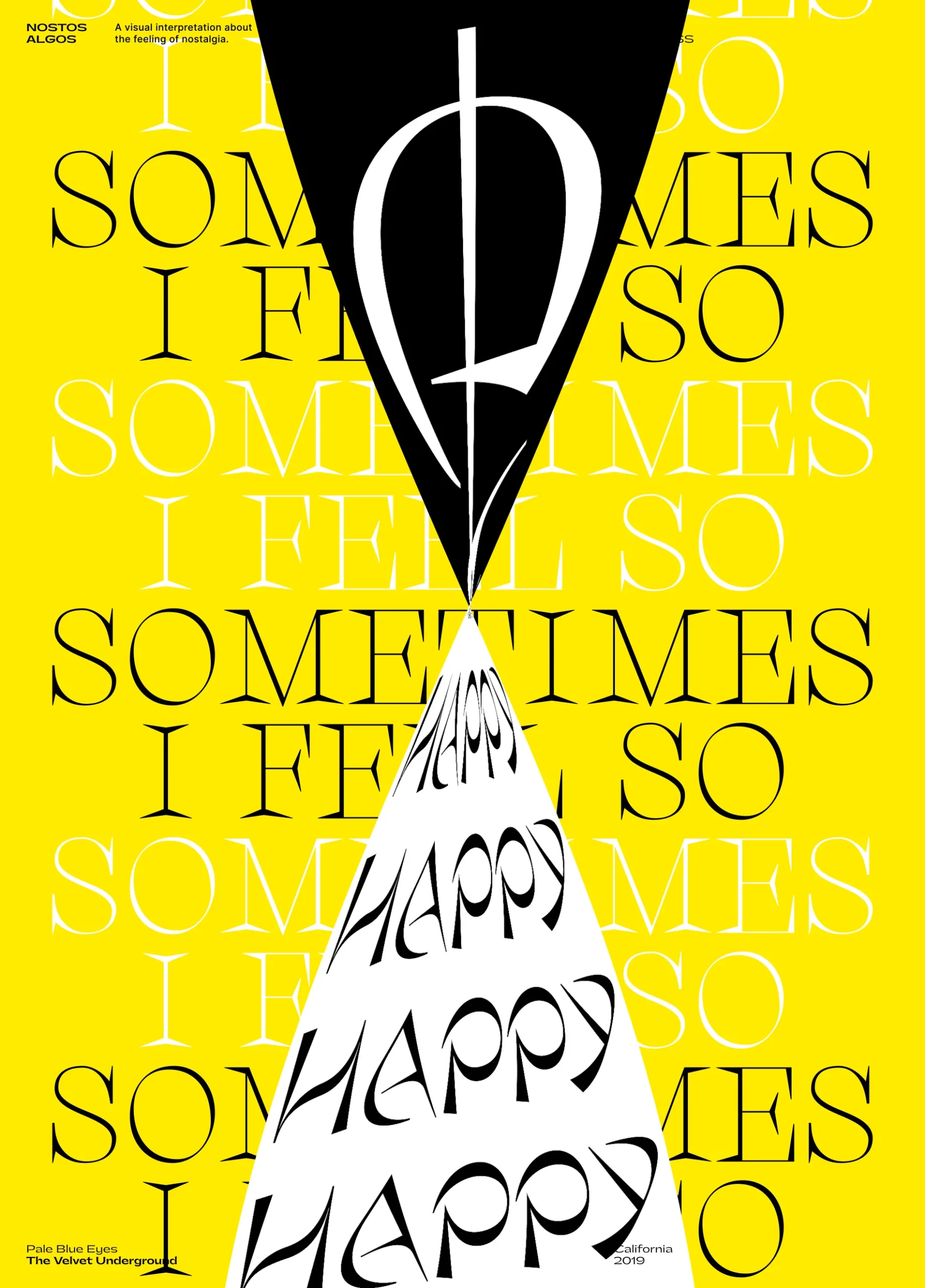
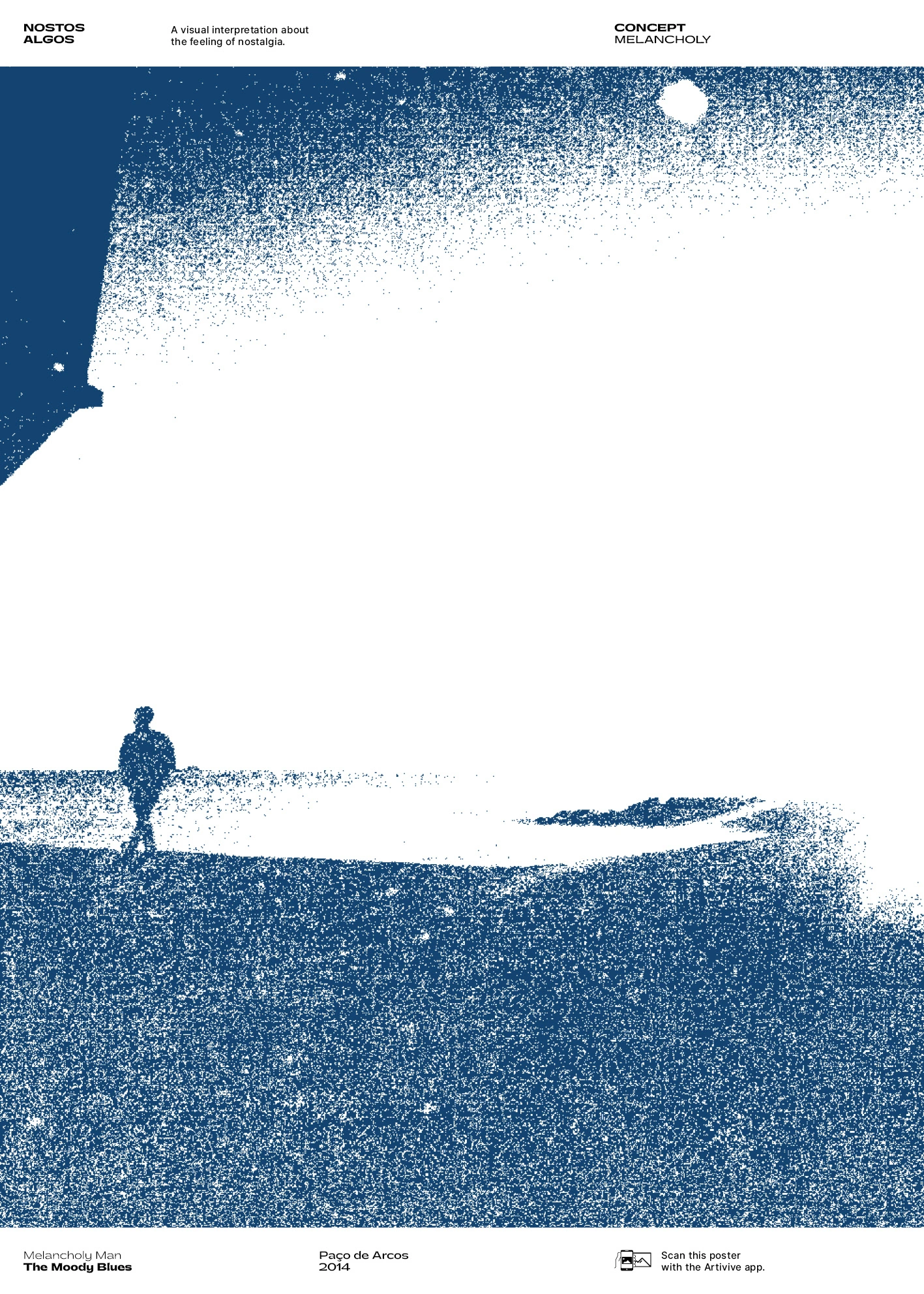
Six concepts became six posters, one each. Each poster pairs a photograph from the book with an excerpt from a song, and the songs are the ones played around the house during childhood, because music is one of the most direct triggers nostalgia has. Photograph and song were matched to the concept rather than chosen for looks.
Six concepts became six posters, one each. Each poster pairs a photograph from the book with an excerpt from a song, and the songs are the ones played around the house during childhood, because music is one of the most direct triggers nostalgia has. Photograph and song were matched to the concept rather than chosen for looks.

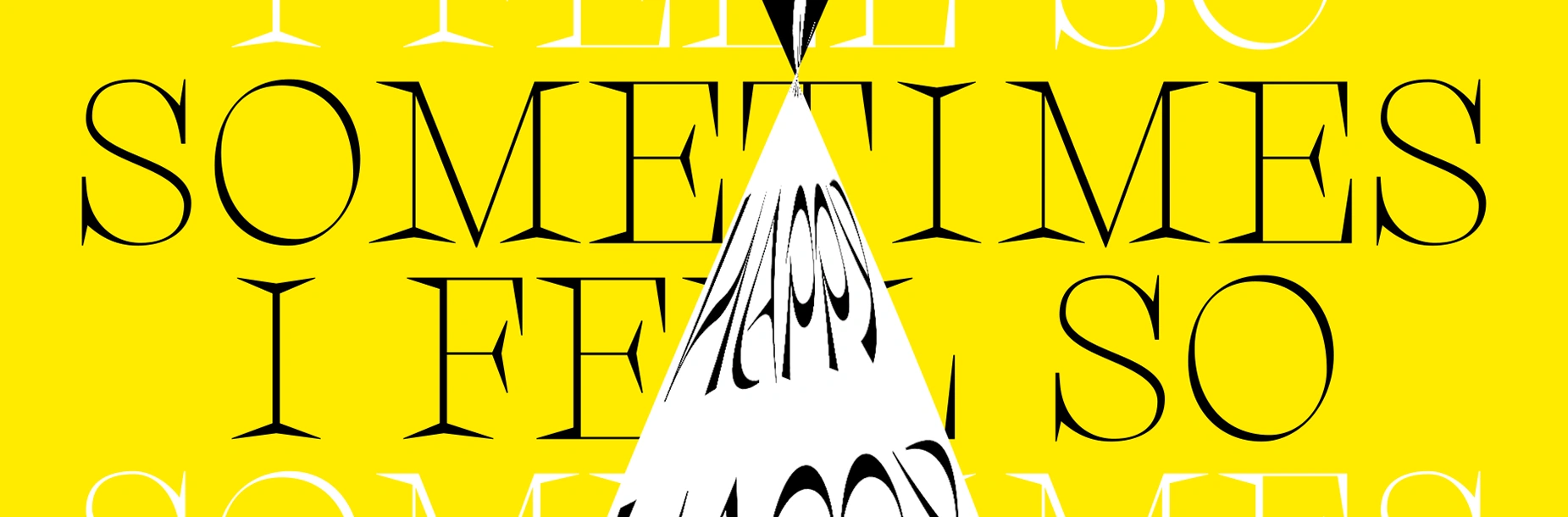
Nostalgia does not sit still, so the posters do not either. Each one triggers an animation through the Artivive app, a typographic interpretation of its concept that only exists when the poster is looked at through a screen. The print is the object, the animation is what it sets off, which is roughly how the feeling works.
Nostalgia does not sit still, so the posters do not either. Each one triggers an animation through the Artivive app, a typographic interpretation of its concept that only exists when the poster is looked at through a screen. The print is the object, the animation is what it sets off, which is roughly how the feeling works.
The name is the word taken back to its two halves, nostos for the return home and algos for the ache. The project sits with both.
The name is the word taken back to its two halves, nostos for the return home and algos for the ache. The project sits with both.






Credits
Year: 2020
Concept, Design & Animation: Filipe Cordeiro